Furniture
Low-profile pale oak and walnut seating, simple timber tables, and gently curved upholstery that preserves practical circulation.
Japandi by Vizahome
Preview a calmer Japandi interior with low wooden furniture, tactile linen, restrained ceramics, and soft natural light. Compare the look on your actual room with 3 free designs.
Start 3 free designs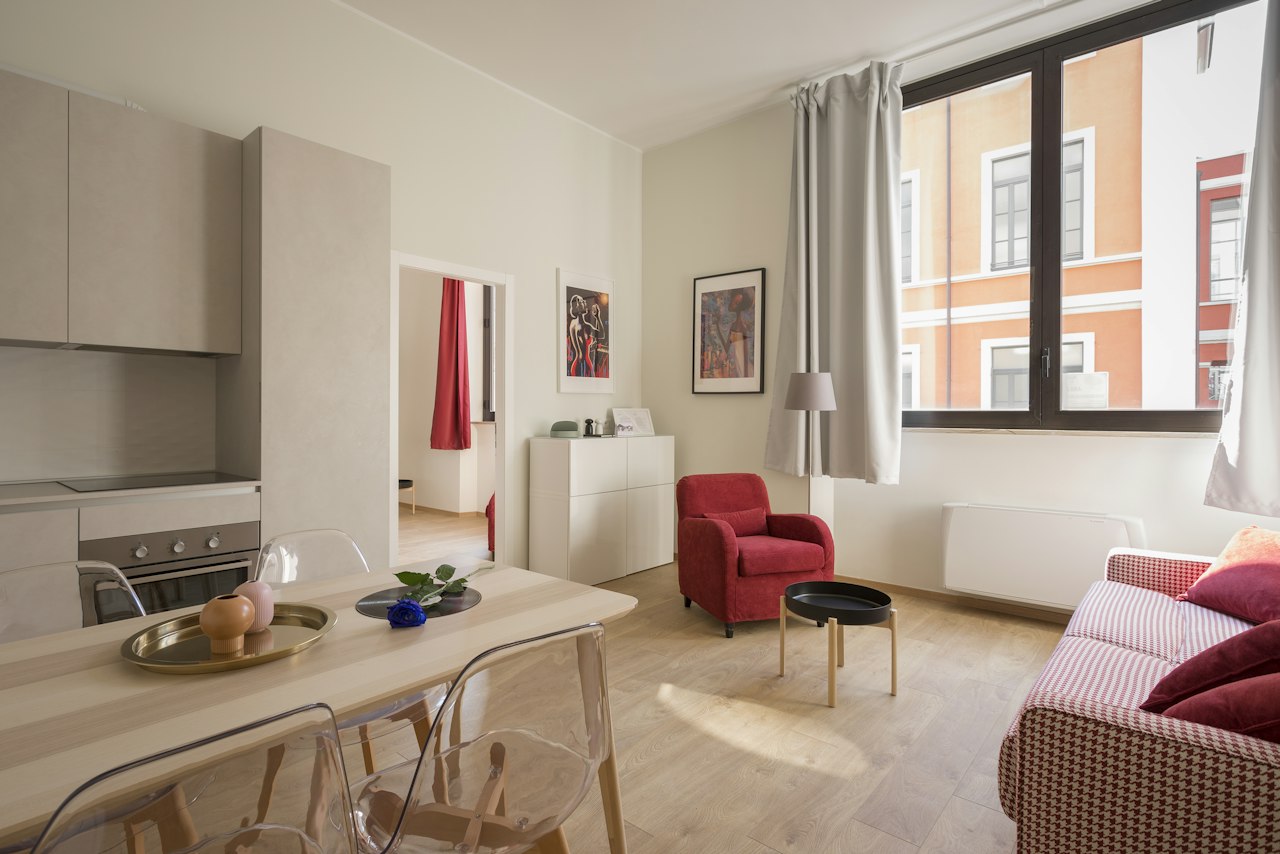
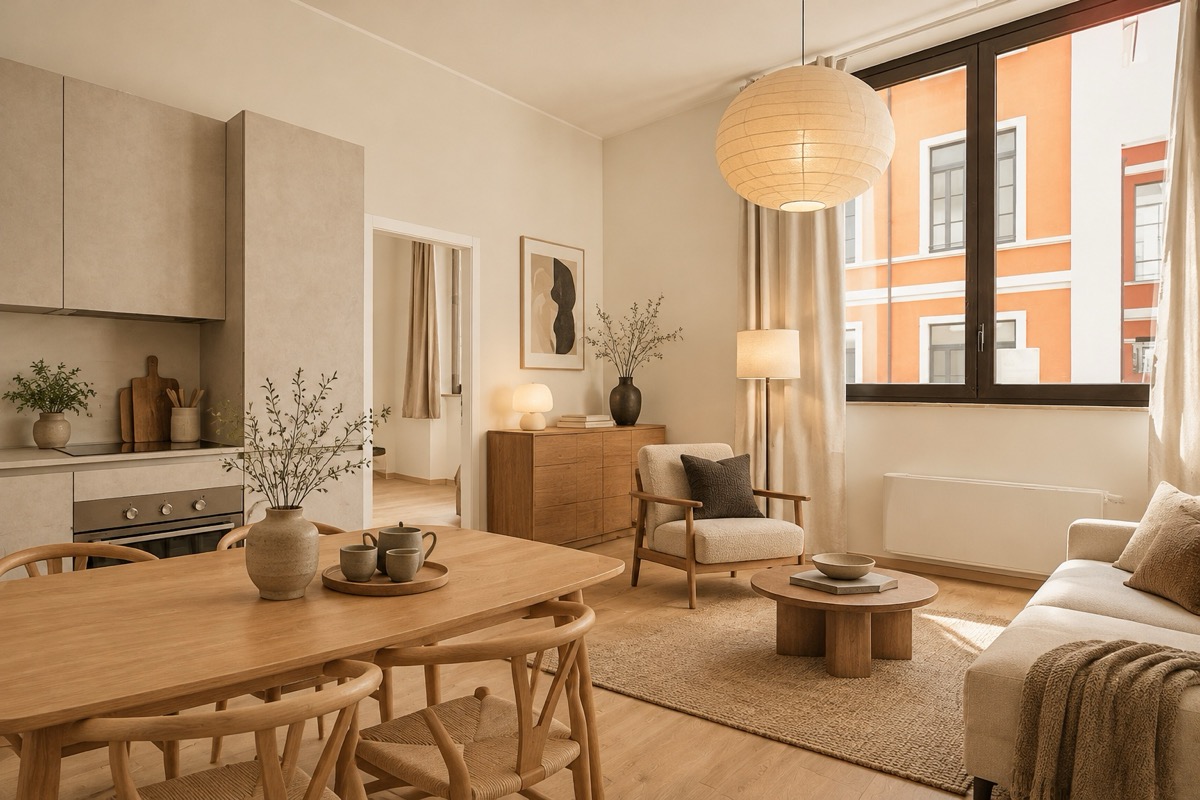
AI-generated product example using the same room and camera position. Review every detail before using the result.
Low-profile pale oak and walnut seating, simple timber tables, and gently curved upholstery that preserves practical circulation.
Linen, handwoven fibers, pale wood grain, handmade clay, and soft wool used for texture rather than decoration.
Warm off-white, sand, mushroom, pale oak, and a restrained amount of charcoal for definition.
Diffused daylight, quiet shaded lamps, one thoughtful artwork, and sparse branches or greenery instead of crowded shelves.
Choose Japandi when you want a room to feel calmer without becoming cold or unfinished. It suits smaller living rooms, bedrooms, and spaces where visual noise needs to be reduced. The style is also useful when you want warmth to come from wood, fabric, and daylight rather than bold color or statement furniture.
“Create sophisticated Japandi balance with low-profile pale oak and walnut furniture, softly curved upholstered seating, a simple timber table, handwoven natural-fiber textiles, and handmade ceramics. Use warm off-white, sand, mushroom, pale oak, and muted charcoal. Add one thoughtful art piece, a paper or linen pendant where suitable, and sparse branches. Preserve generous negative space and circulation. Soft diffused daylight and quiet warm lamps should reveal wood grain, linen weave, clay texture, and gentle shadows without making the room unfinished.”
You can use this direction as a starting point, then adjust furniture, colors, materials, and individual details in Studio.
Compare this direction with mid-century modern on the same original room. Your existing versions stay saved.
Notes / Answers
How style versions work, what you can customize, and how to compare your options.
It should not. A good Japandi direction uses fewer objects but keeps enough seating, texture, and warmth for everyday life. You can ask for a richer variation with more textiles or wood accents.
Yes. Choose Current design in Studio and describe which pieces to preserve. Original photo creates a distinct new direction instead.
Yes. Generate independent versions from the same original photo, then compare up to four directions before choosing one to refine.